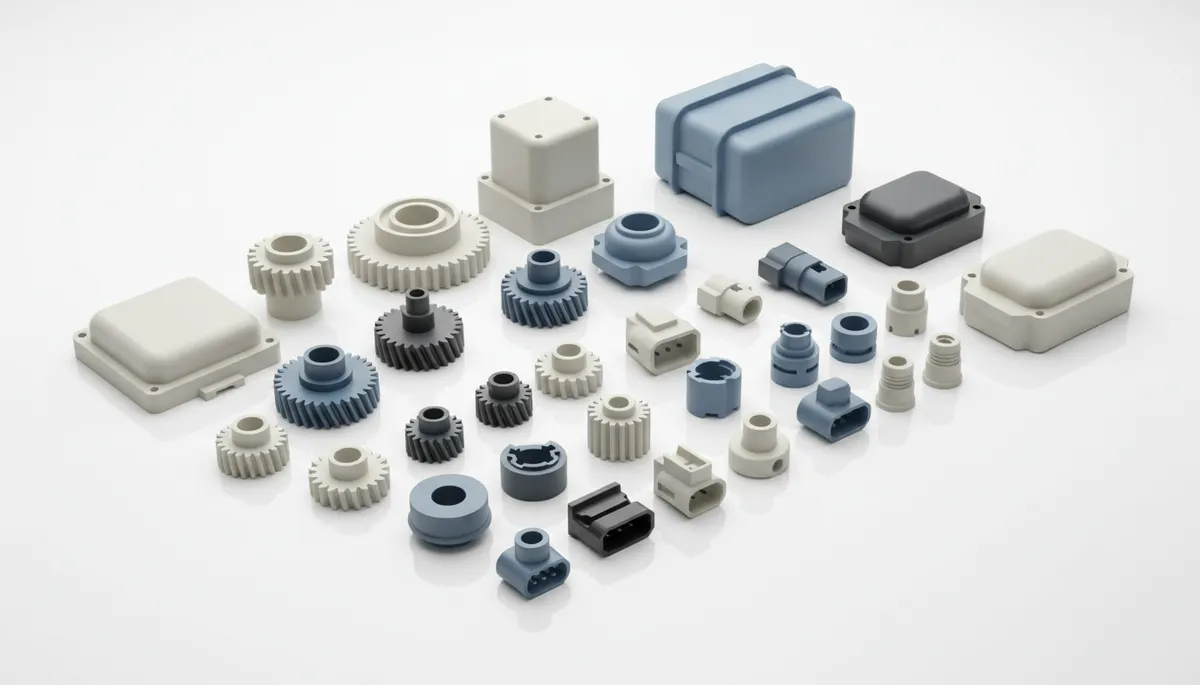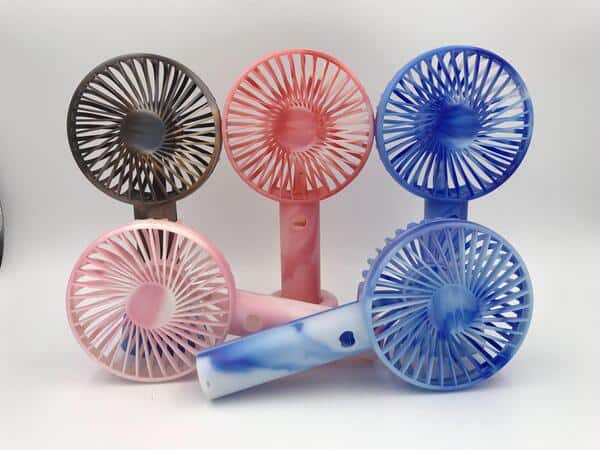
Injection molding is a versatile manufacturing process that creates complex parts with high precision, making it essential in industries like automotive and consumer electronics.
Injection molding efficiently produces durable parts by injecting molten material into molds, featuring high production rates, material versatility, and minimal waste, making it popular in automotive, electronics, and packaging industries.
While this summary highlights the core benefits of injection molding, mastering its mechanics and material choices is vital for maximizing production effectiveness. Dive deeper to learn how various techniques can enhance your manufacturing outcomes.
Injection molding produces parts with high precision and repeatability.True
Injection molding allows for the consistent creation of complex shapes, maintaining tight tolerances across high-volume production runs.
Injection molding is only suitable for large batches.False
While it is cost-effective for large-scale production, advancements in technology have made injection molding viable for smaller batches, especially for custom or specialized parts.
What are the Steps of the Injection Molding Process?
The injection molding process is a key manufacturing technique for producing complex plastic parts efficiently and consistently across various industries.
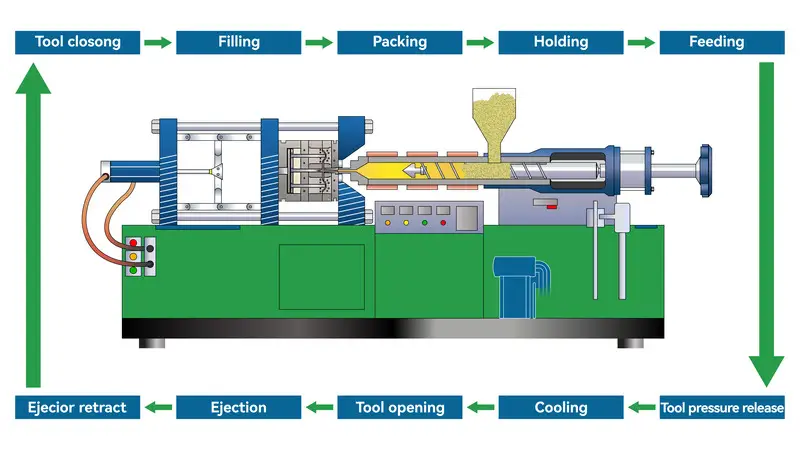
The injection molding process involves melting material, injecting it into a mold, cooling and solidifying, and ejecting the finished part, ensuring precision and repeatability in plastic component production.
steps of the injection molding process
Raw Material Preparation and Drying
The first step in the injection molding process1 is to prepare the plastic raw materials. The plastic raw materials2 are usually in granular form and need to be dried properly for the type of plastic you choose (e.g., polyethylene, polypropylene, ABS, etc.). Especially for plastics that are highly hygroscopic (e.g., nylon, polyurethane, etc.), you need to dry them to prevent moisture absorption from affecting the quality of the molding and causing defects such as bubbles and cracks.
Plastic Melting
The plastic granules are put into the barrel of the injection molding machine. The rotating screw heats and melts the plastic. The temperature has to be just right so the plastic melts and flows properly. The temperature, pressure and flow of the melted plastic are important for good injection. You have to adjust the temperature, pressure and flow for different plastics.
Injection Process
The hot plastic is shot into the mold through the injection system. During the injection process, the screw or plunger of the injection molding machine shoots the hot plastic into the closed cavity of the mold at a certain pressure and speed.
The structure and design of the mold have a direct impact on the precision, surface quality and molding effect of the product. The injection pressure, speed and holding time need to be adjusted according to the complexity of the product and the characteristics of the mold.
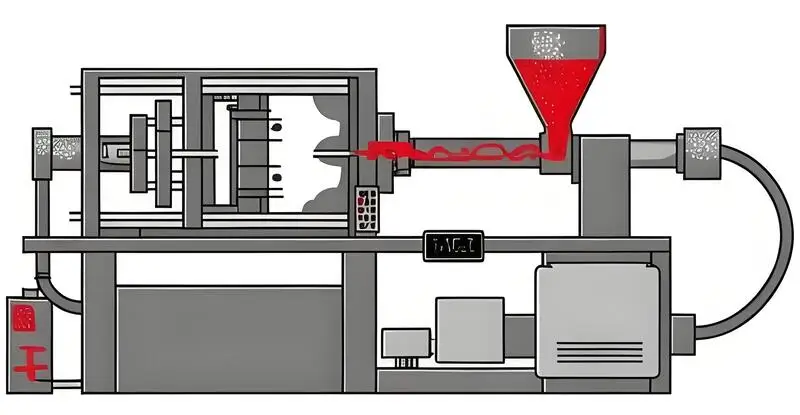
injection molding process
Cooling and Curing
After the plastic is injected, it cools and hardens in the mold to make the shape of the thing you want. How long it takes to cool is a big part of how injection molding works. If it cools too fast, the thing you’re making might get messed up or not get made all the way. If it cools too slow, it might take too long to make stuff. The cooling system has to be set up so it cools everything the same way so it doesn’t get bent or cracked from being too hot or too cold in different places.
Mold Opening and Demolding
Once the plastic part has cooled and solidified, it’s time to open the mold. The injection molding machine uses a mechanical device to open the mold. The mold must be opened and closed with precision to avoid damaging the part or the mold. After the part is ejected from the mold, it is usually removed automatically by a robot or other equipment.
Post-Processing and Finishing
After the product is taken out of the mold, it may need some post-processing, like getting rid of fly-aways (extra plastic from the gaps in the mold), cutting off surface defects, sanding, and so on. These post-processing steps3 can make the product look better and be more precise.
Quality Inspection and Packaging
All plastic products need to be checked to make sure they are the right size, look good, and work right. We check how they look, measure them, and test them to make sure they work. If they are good, we put them in a box and send them to you. If we make a lot of them, we check some of them to make sure they are all good.
Material melting is the first step in injection molding.True
The plastic material must be heated to a molten state to be injected into the mold effectively.
Injection molding is only suitable for large-scale production.False
While it's ideal for mass manufacturing, injection molding can also be used for smaller production runs with proper setup and tooling.
What are the Characteristics of Injection Molding?
Injection molding is a widely used manufacturing process known for its efficiency and versatility, producing complex shapes across various industries.
Injection molding involves injecting molten material into a mold to create precise, complex parts efficiently. It is used in automotive, consumer products, and medical devices, offering high production rates and excellent dimensional accuracy.
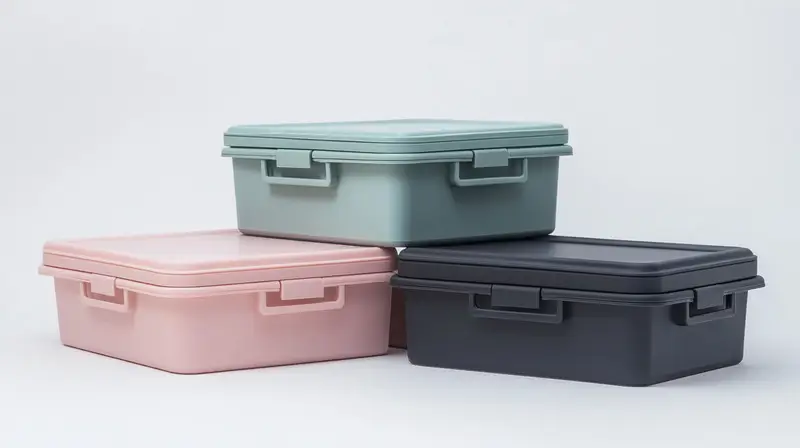
injection molding parts
Environmental Protection, Energy Saving
-
Environmentally friendly4:Injection molding5 is better for the environment. When you do injection molding, you don’t have any harmful substances coming out of the plastic and it’s a pollution-free process.Also, the plastic parts that you make with injection molding can be recycled, and it’s easy to recycle them. You can take the waste plastic parts, clean them, crush them up, and then make new plastic parts out of them. So, you’re not impacting the environment as much. It’s a greener way to make things.
-
Energy saving:Injection molding6 is a greener way to make stuff. It uses less energy than other ways to make plastic things. It can also use old plastic to make new stuff. And it can make things that will break down and go away.
High Efficiency and Precision
-
Efficient: Injection molding is super efficient. It can make more plastic stuff faster than other ways of making plastic stuff, like extrusion and blow molding. Plus, you can use machines to do it, so you don’t have to pay people to do it, and you can make even more stuff.
-
**Efficient:**Injection molding is a super efficient process because it’s a continuous production process. The injection molding machine shoots melted plastic into the mold in a short amount of time, and then you can take the finished product out after it cools and hardens. Compared to other ways to make plastic stuff, injection molding is way faster, which makes it way more efficient.
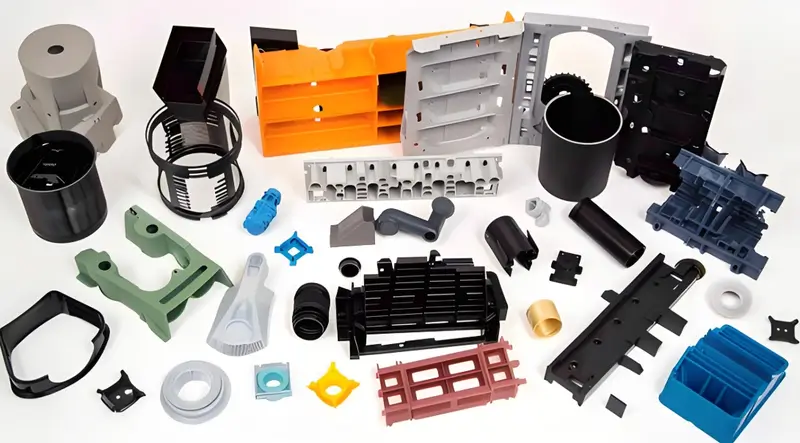
injection molding product parts
-
**High Precision7:**The injection molding process can make high precision plastic products. By adjusting the parameters of the injection molding machine and mold design, the size, shape and surface quality of the plastic products can be controlled very well. So the injection molding process is the preferred method for the production of precision plastic products.
-
**High Precision:**The injection molding process can make plastic products with high dimensional precision and good surface quality. This is because the molds used in the injection molding process are very precise and the plastic material doesn’t shrink much when it cools and hardens. Also, you can control the dimensional precision and surface quality of the product by changing the mold and the way you inject the plastic.
-
**High efficiency and precision:**Injection molding is a process that’s known for its precision and efficiency. It can create all sorts of complex shapes in a short amount of time using the right molds and materials. It also lets you control the size and quality of the finished product, and make plastic products that are really accurate and look great.
-
**High efficiency and precision:**The working cycle of an injection molding machine is short, and it can do continuous production. The high speed and continuous production of an injection molding machine greatly improves the production efficiency. So, injection molding is an efficient and high precision molding processing method, which can meet the needs of different industries.

injection molding product parts
Low Cost and Good Economic Benefits
-
Low cost8: Compared to other ways to make stuff, injection molding is cheap because it’s fast and uses a lot of the material. You can make a lot of stuff in a short time with injection molding, and it’s easy to use machines to do it, so you don’t have to pay people to do it. And it’s cheap. Also, you can use machines to make stuff with injection molding, so you can make a lot of stuff really fast.
-
Low cost: The production cost of injection molding is relatively low. Compared with other plastic processing methods, injection molding does not require high raw materials, and less energy consumption in the production process. In addition, injection molding can realize mass production, reducing the production cost per unit of product.
-
**Low cost, good economic efficiency:**Injection molding is a low-cost, high-efficiency process. It requires less equipment and has lower production costs compared to other plastic processing methods. Plus, injection molded products have high added value, which helps businesses make more money.
Wide Choice of Materials and a Wide Range of Products
- Wide range of materials: Injection molding is a versatile process that can be used with a variety of plastic materials, including both thermoplastics and thermosetting plastics. These materials have different properties, so you can choose the right one for your product. By selecting the appropriate plastic material for injection molding, you can ensure that your product meets its performance requirements.
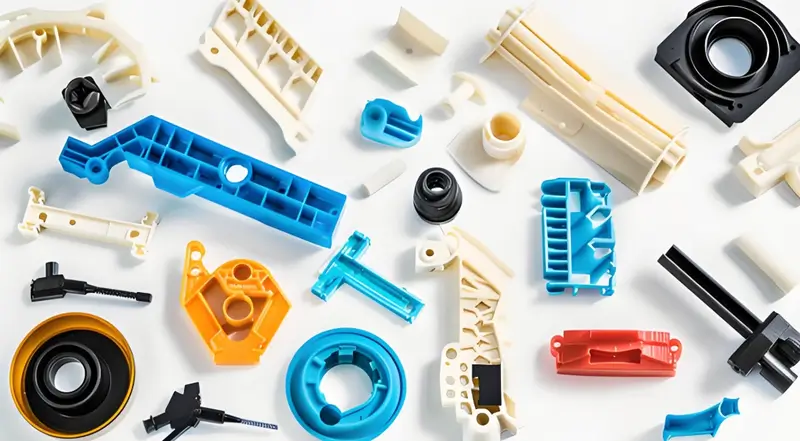
injection molding product parts
-
**Wide range of materials:**The injection molding process can be used with a wide variety of plastic materials, including polyethylene, polypropylene, polyvinyl chloride, polystyrene, ABS, PC, POM, and more. Different types of plastics have different properties, such as heat resistance, chemical resistance, strength, stiffness, and so on. Therefore, the injection molding process can select the appropriate plastic material based on the performance requirements of the product.
-
**Rich product variety:**The injection molding process can make all kinds of plastic products, like stuff you use every day, stuff for factories, car parts, computer parts, and lots more. You can make different shapes, sizes, and kinds of plastic stuff by changing the mold and how you do the process.
High Degree of Automation and Complex Shapes
-
**High degree of automation:**Injection molding is a highly automated process. It can be automated from raw material preparation, injection molding, cooling, demolding, and post-processing, which reduces labor costs and improves production efficiency. The injection molding machine is highly automated and achieves a stable production process through functions such as mold switching, temperature control, pressure, and speed regulation.
-
**High degree of automation:**You can automate the injection molding process. By using robots, automated production lines, and other equipment, you can automate the injection molding, demolding, cooling, and other processes, which will improve production efficiency and product quality.
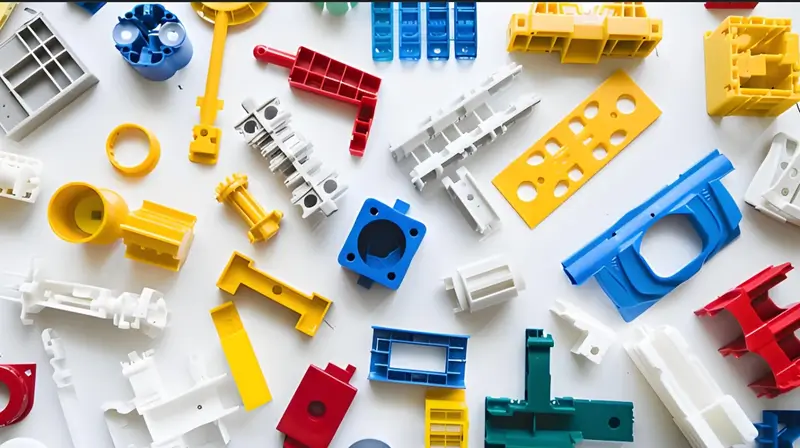
injection molding product parts
-
**High degree of automation:**Injection molding is a process that can make things automatically, so you don’t have to work so hard and you can make more things. The new machines can put the stuff in, close the mold, cool it off, and open the mold all by themselves. It’s easy to run. Injection molding is also a very automated process, so you can make a lot of things all at once.
-
**Complex shape:**The injection molding process9 can make all kinds of products with complex shapes, including hollow parts, thin-walled parts, and so on. By designing the mold structure properly, you can make the details of the mold come out accurately, so that the molded products are of high precision and quality.
Strong Adaptability and Flexible Mold Design
-
Strong adaptability: The injection molding process can be used with different types of plastic materials and mold structures. Different types of plastic materials have different physical properties and processing characteristics. The injection molding process can be used with different types of plastic materials by selecting the appropriate injection molding machine, mold, and process parameters. In addition, the injection molding process can be used with different types of complex mold structures to meet the design requirements of different products.
-
**Strong adaptability:**Injection molding is a good way to make all kinds of plastic products, like boxes, shells, pipes, films, sheets, tubes, and shaped parts. You can also use injection molding to make different kinds of plastic products, like things you use every day, things for factories, car parts, and things for electronics. You can also use injection molding to make things with different shapes, sizes, and kinds of plastic. You can also use injection molding to make things with different ways of making them, like injection molding and blow molding, injection molding and injection pulling, and injection molding and hot pressing.
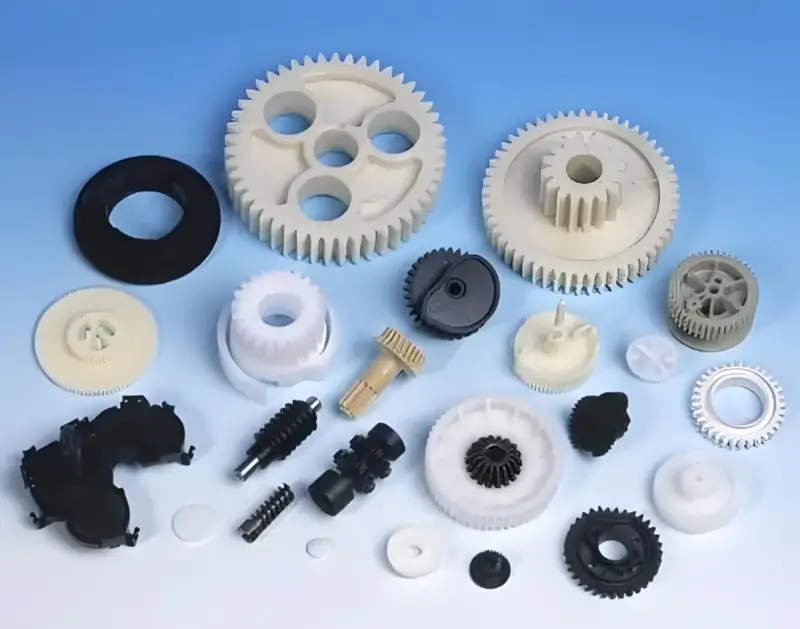
injection molding product parts
- Flexible mold design: The mold design of injection molding process is very flexible and can be designed according to the shape, size and performance requirements of the product. In addition, the structure of injection mold is simple, easy to manufacture and maintain.
Wide Range of Application and Easy to Realize Personalized Customization
-
**Wide range of application:**Injection molding can be used with all sorts of plastic materials, including thermoplastic and thermosetting plastics, and can make all kinds of products in all sorts of sizes and shapes, like plastic parts, toys, furniture, electrical appliances, car parts, and so on. So injection molding is used in lots of different industries.
-
Personalized customization: Injection molding is a process that can meet the demand for personalized customization10. By adjusting the mold design and process parameters, we can produce plastic products with personalized characteristics. That’s why injection molding is the preferred method for customized production.
Consistent Product Quality and Easy to Realize Product Innovation
-
**Stable product quality:**Injection molding is known for its consistent product quality. By closely controlling the parameters of the injection molding machine, mold design11, and production process, you can ensure that your plastic products will be consistently high quality. Plus, injection molding allows for continuous production, which means fewer fluctuations in product quality.
-
**Easy to realize product innovation:**Injection molding is a process that makes it easy to innovate products. You can make new plastic products by improving the mold design and process settings. You can also use injection molding with other plastic processes to make more complicated products.
Injection molding allows for high production rates.True
The process can produce a large number of parts quickly due to rapid cycle times and automation potential.
Injection molding is only suitable for large production runs.False
While ideal for large volumes, advances in technology make injection molding viable for smaller batches with cost-effective tooling solutions.
What are the Disadvantages of Plastic Injection Molding?
Plastic injection molding is a widely used manufacturing process, yet it has certain drawbacks that affect production and cost efficiency.
Plastic injection molding drawbacks involve costly tooling, extended lead times, design limitations, potential defects like warping, and environmental concerns from non-biodegradable waste.
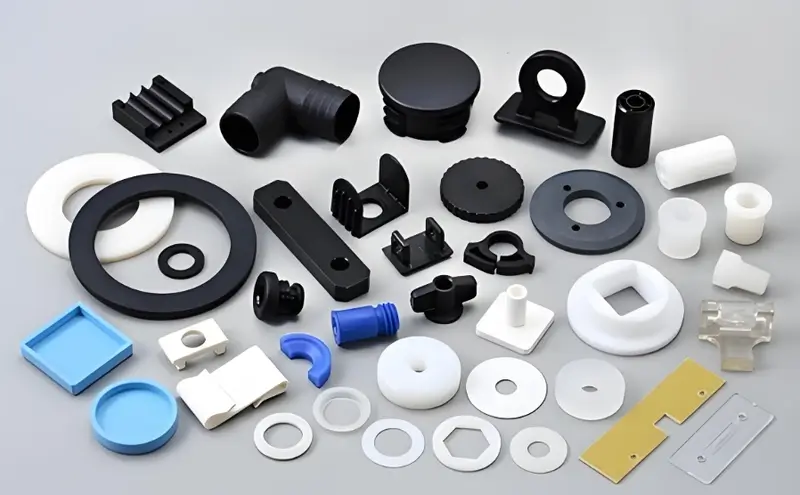
injection molding product parts
High Upfront Costs
Plastic injection molding12 is complicated. Only experienced engineers know how to design and build them, which means labor costs are high. Plus, there are many steps involved in making a mold, and over time it will produce millions of identical parts. A simple single-cavity mold starts at $2,000-$3,000. And a high-volume, multi-cavity mold made from hardened tool steel can cost $100,000 or more.
Long Lead Times
A good plastic injection mold will last you a lifetime. So, it takes a lot of planning and testing to get it right. The design, prototyping, testing, and machining phases can take months. Plastic injection molding has a long production cycle13 compared to other types of plastic manufacturing.
If you want a mold that can make multiple plastic parts in one shot, it may take even longer. For this type of mold, a mold maker might even design, build and test a single-cavity tool before trying to make a multi-cavity tool14. Of course, the design, prototyping, build and test phases must also be repeated for multi-cavity tools.
But once the planning and processing phases are complete, plastic injection molds can produce millions of parts over their lifetime. The scale of plastic part production often exceeds the upfront costs and lost time.
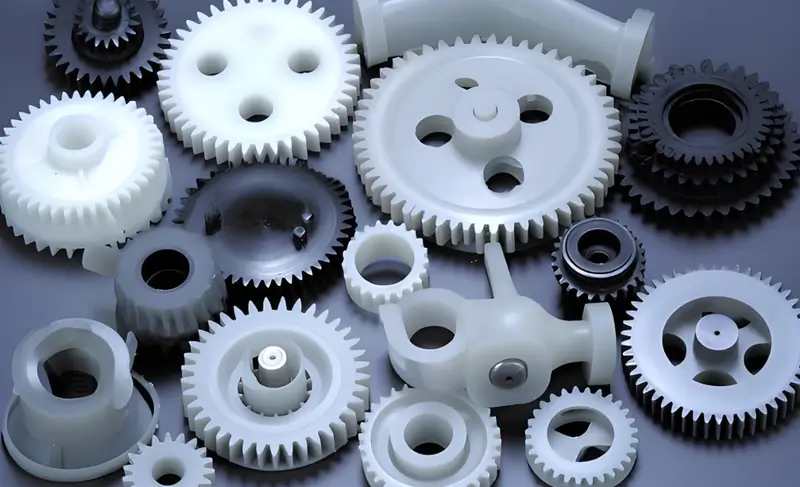
injection molding product parts
Unbendable Materials
Unlike CNC machining, which creates physical parts from computer design files that can be changed by software engineers at any time, it is hard to make big changes to a plastic mold after machining because it is usually made of steel.
There are two ways to change a plastic mold. One way is to make the mold cavity bigger by cutting out the metal mold part. This adds plastic to the part. Taking plastic out of the part is harder. Sometimes you can weld metal into the cavity, but sometimes you can’t and you need a new cavity or a whole new mold. That means going back to the design phase.
Design Limitations
Plastic injection molding is all about heating and cooling plastic. If the mold shape causes the plastic to cool inconsistently, your plastic part will have defects. You can reduce this risk by making sure the walls of your mold are the same size so your parts cure evenly. Ideally, plastic injection molds15 should have walls that are no thicker than 4 mm and no thinner than 0.5 mm. Remember, the thicker the walls, the longer each cycle will take.
Size Limitations
If you need to make big plastic parts, injection molding has its limits. There are injection molding machines big enough to make hulls, but the molding scenarios I’m talking about in this article are for smaller parts, three pounds or less. If you need bigger parts, lead times and costs can go up exponentially.
Plastic injection molding has high tooling costs.True
The initial investment in molds for plastic injection molding can be significant, often making it cost-prohibitive for small production runs.
Plastic injection molding processes produce biodegradable waste.False
Plastic waste from injection molding processes is typically non-biodegradable, contributing to environmental concerns unless proper recycling measures are in place.
What Industries Use Injection Molding?
Injection molding is a versatile manufacturing process applied extensively across numerous industries for producing high-quality, intricate plastic parts efficiently.
Injection molding is essential in industries like automotive, electronics, and aerospace, offering high precision, scalability, and cost-effectiveness for mass production.
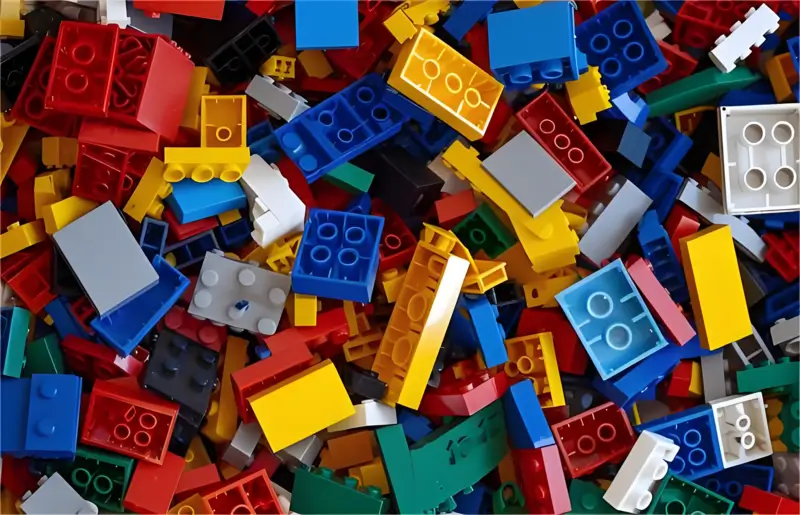
injection molding product parts
Household Goods
Injection molding is a process that can make all kinds of plastic stuff we use every day, like toothbrushes, plastic cups, food containers, medicine bottles, and combs. We can make plastic things for our homes and plastic containers for our stuff in all different shapes and sizes. Injection molding is a fast and cheap way to make plastic things we use every day.
Electronic Products
The injection molding process is widely used in the manufacturing of electronic products. It can be used to make a variety of products, such as cell phone cases, computer keyboards, computer mice, remote controls, battery cases, and so on. The injection molding process can provide a wide range of options for the appearance and structure of electronic products.
These components not only need to have good mechanical properties and appearance, but also need to have excellent electrical insulation properties to ensure the stable operation of electronic products.
Injection molding can produce plastic products with good appearance and high precision to meet the appearance and size requirements of electronic products. Injection molding technology with its high precision and low cost advantages, in the manufacture of electronic products occupy an important position.
Automotive Parts
When it comes to making cars, plastic molding can make almost anything on a car. From the body, to the lights, to the inside, to the engine, injection molding can make parts that look good and work good. For example, the dash, the center console, the door handles, and stuff like that. These parts have to be strong and look good, and injection molding is the best way to make them.
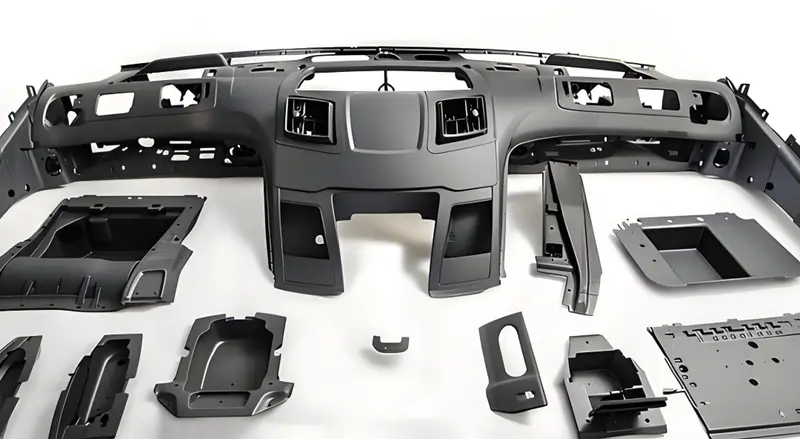
Injection molded vehicle instrument panel and component layout
Moreover, with the emergence of new energy vehicles, injection molding parts in the battery pack, motor shell and other key components of the manufacturing also plays an important role. Through injection molding, mass production and quality assurance of automotive parts can be achieved. Through injection molding, mass production and quality assurance of automotive parts can be achieved.
Medical Devices
Medical devices are made using injection molding. Injection molded parts16 are important in the medical device field. Injection molding is used to make things like medical syringes, infusion bags, and medical device housings. These parts need to be biocompatible and corrosion resistant to keep patients safe and the equipment working right.
Injection molding technology can produce parts that meet the standards of the medical device industry, providing a strong guarantee for the development of the medical industry. Medical devices require high levels of precision and hygiene, and the injection molding process can produce plastic devices that meet the requirements.
Home Appliance Industry
When it comes to making home appliances, plastic molding is used to make parts for home appliances all over the place. The shells for TVs, the panels for air conditioners, the shells for washing machines, and other parts for home appliances, like the way they look and the way they’re put together, are mostly made using injection molding.

Injection molding washing machine products
These parts need to be strong and resistant to wear and tear. They also need to be able to withstand the test of time and keep people safe. Injection molding can make parts that are just right, and that’s why it’s so important for the home appliance industry.
These parts not only need to have high strength and abrasion resistance, but also need to have good anti-aging properties to ensure the service life and safety of home appliances. Injection molding technology can produce high-precision parts that meet these requirements, providing strong support for the development of the home appliance industry.
Construction
Injection molding is widely used in the construction industry, where it is used to make PVC pipes, valves, wire channels, and other construction materials. These parts are not only strong and resistant to corrosion, but they also have good weather resistance and are easy to install. This meets the construction industry’s requirements for materials that perform well and are easy to work with.
Using injection molding technology in construction not only improves the performance and quality of construction materials, but also helps the construction industry become more sustainable.
Injection molding is ideal for high-volume production.True
Its capability for rapid production of identical parts makes it ideal for large-scale manufacturing.
All industries use injection molding for their products.False
Not all industries require the high-volume production that injection molding offers; some may use alternative manufacturing methods.
Conclusion
Injection molding has a lot of good things going for it. It’s super precise, super efficient, and can make all kinds of complex shapes. That makes it perfect for making a ton of stuff all at once, and it’s great for making sure everything comes out the same.
It’s also really automated, so you don’t have to do a lot of stuff by hand, which saves money. It’s expensive to get started, and you have to have a clean place to do it, but you can use all kinds of different plastics, so it’s used all over the place. See our Injection Molding Complete Guide for a comprehensive overview.
-
Understanding the injection molding process is crucial for anyone involved in manufacturing. This resource provides a comprehensive overview. ↩
-
Exploring the types of plastic raw materials can help you choose the right one for your project, ensuring quality and efficiency. ↩
-
Learning about post-processing steps can enhance the quality of your molded products, making them more precise and visually appealing. ↩
-
Learn how injection molding minimizes pollution and promotes recycling, making it a sustainable choice for plastic production. ↩
-
Explore the advantages of injection molding, including efficiency and environmental benefits, to understand its significance in manufacturing. ↩
-
Explore the advantages of injection molding, including efficiency, precision, and cost-effectiveness, to enhance your understanding of modern manufacturing techniques. ↩
-
Learn how high precision in injection molding leads to superior product quality and consistency, making it essential for various industries. ↩
-
Discover why injection molding is a cost-effective solution for mass production, helping businesses save money while maintaining quality. ↩
-
Understanding the injection molding process can enhance your knowledge of manufacturing techniques and their applications in various industries. ↩
-
Learning about personalized customization can help you understand how to meet specific market demands and enhance product appeal. ↩
-
Learn how mold design influences the quality and efficiency of plastic injection molding processes. ↩
-
Explore the advantages of plastic injection molding to understand its impact on manufacturing efficiency and product quality. ↩
-
Discover the intricacies of the production cycle in plastic injection molding and its implications for manufacturing. ↩
-
Learning about multi-cavity tools can enhance your knowledge of advanced manufacturing techniques and their benefits in production efficiency. ↩
-
Understanding plastic injection molds is crucial for anyone involved in manufacturing, as they are key to producing high-quality plastic parts efficiently. ↩
-
Learn about Everything You Need to Know about Injection Molded Parts: Injection molded parts are created by injecting molten material into a mold. ↩
Need a Quote for Your Injection Molding Project?
Get competitive pricing, DFM feedback, and production timeline from ZetarMold’s engineering team.